
Welcome to Inglewood
Blink and you’ll miss it. For anyone travelling along the Calder Highway, just north of Bendigo, it may be hard to believe that the sleepy town of Inglewood was once one of the most populous centres in the state.
15 min. read
Blink and you’ll miss it. For anyone travelling along the Calder Highway, just north of Bendigo, it may be hard to believe that the sleepy town of Inglewood was once one of the most populous centres in the state.

A butcher, a baker, a coffee maker. Rathdowne Street bears all the hallmarks of a typical village, and yet, it lies just three kilometres from the central business district. After more than 150 years, this pocket of Melbourne has maintained its old-world charm, and the business community continues to thrive.
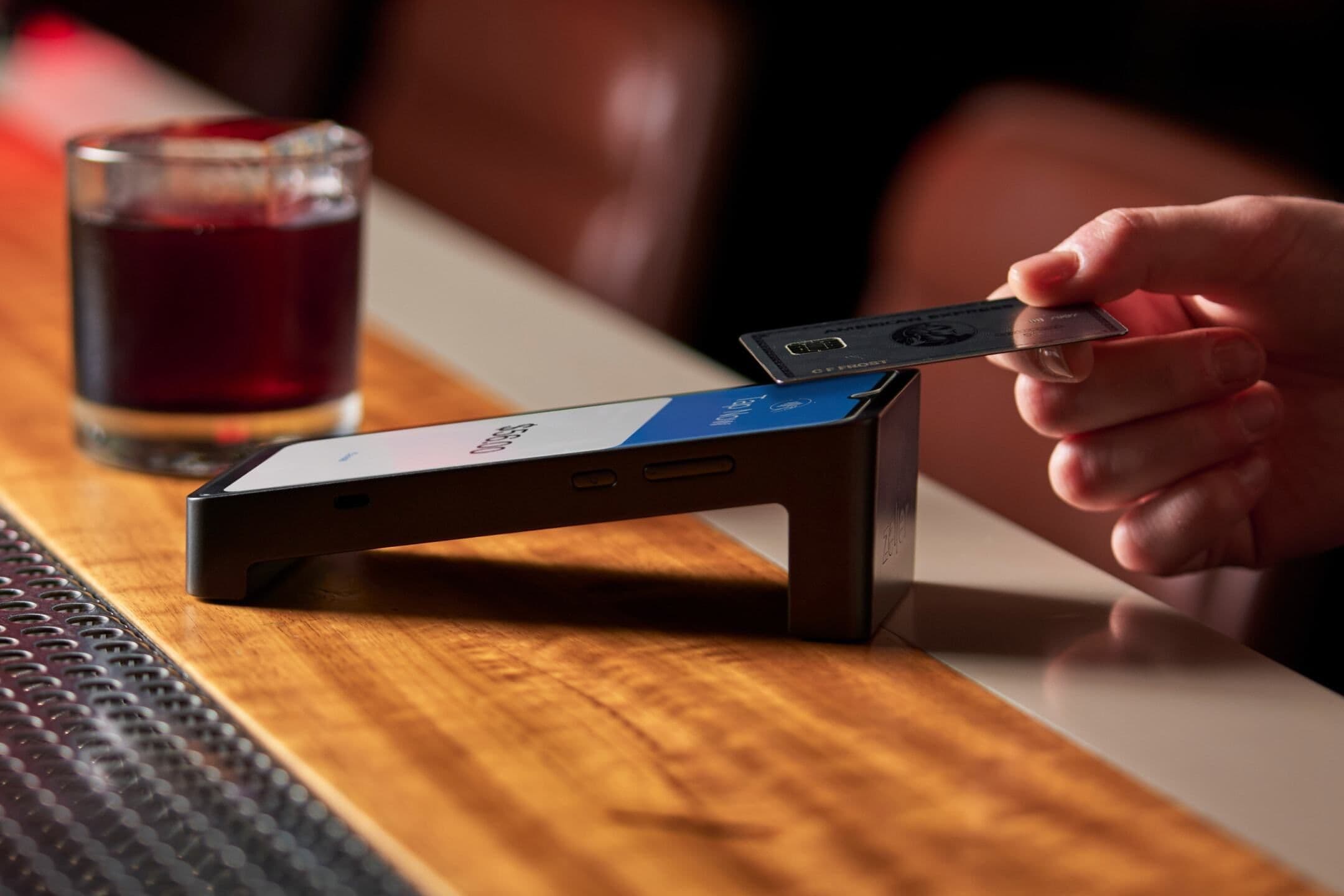
The Reserve Bank of Australia has confirmed that card surcharging will end on 1 October 2026. Here's what the changes mean for businesses — and how to make sure you're in the best possible position before and after the deadline. What has the RBA announced? Following a comprehensive review of Australia's card payments system — which included over 260 written submissions and around 150 stakeholder meetings — the RBA's Payments System Board has confirmed a package of reforms designed to update how business owners accept card payments in person. The three core changes are: removing the ability to surcharge customers for card payments, reducing the caps on interchange fees businesses pay, and requiring payment networks and providers to publish clearer fee information. When do these changes take effect? 1 October 2026 — Surcharging ends Surcharging on eftpos, Mastercard, and Visa cards is prohibited. New lower caps on interchange fees for domestic debit and consumer credit cards also take effect. 1 April 2027 — Foreign card caps and transparency rules A new interchange cap on foreign card payments comes into effect, alongside enhanced transparency requirements for card networks and large acquirers. Why is surcharging being removed? Surcharging was introduced over two decades ago to steer consumers towards cheaper payment methods. The RBA has concluded it is no longer achieving that goal. As card payments have become the norm and cash use has declined, it has become increasingly difficult for consumers to avoid surcharges altogether. The rules governing surcharging are complex, and without a simple, consistent way to calculate and disclose them, the system has become harder for everyone to navigate. What does this mean for your business specifically? If you don't currently surcharge: The removal of surcharging will have no impact on your day-to-day operations. If you do currently surcharge: From 1 October 2026, you'll need to remove your card surcharge. Some businesses may choose to absorb payment costs into their advertised prices instead. Now is the ideal time to understand exactly what you're paying — and make sure you're with a provider that offers you the best hardware, reliability, and support bundled into a competitive, flat-rate transaction fee so you know what you’re paying. Why transparent pricing matters more than ever The end of surcharging shifts the focus onto what you're actually paying to accept cards. Under typical variable-rate pricing, your transaction fee depends on the type of card your customer uses — domestic debit, international credit, or American Express, for example. That makes it genuinely difficult to forecast your monthly payment costs, let alone build them confidently into your pricing. Why choose Zeller, now and after October 1st Zeller was designed around the belief that accepting payments should be simple, transparent and free of surprises. With Zeller, you’ll benefit from: One flat rate of 1.4% for every in-person card payment — including eftpos, Mastercard, Visa, American Express, JCB, China UnionPay, Discover® Network, Diners Club International®, and Google Pay and Apple Pay No card-type variables, no surprises on your statement. Owning your terminal outright for $199 — no monthly rental fees, no lock-in contracts, and no minimum sales requirements. You won't be charged a cent until you make your first sale. Award-winning hardware with a built-in point-of-sale system, tipping prompts, digital receipts and more — everything a modern business needs, in one device. Local, 24/7 customer support via phone, SMS and email — real people, based in Australia, whenever you need them. How does Zeller compare? When you factor in the total cost of accepting payments — not just the transaction rate, but hardware and ongoing fees — the difference adds up quickly. Square's equivalent hardware can cost up to $1,099, and Tyro's terminal rental can add up to $348 every year — costs that come on top of your transaction fees, every single year. With Zeller, you pay $199 once, and the terminal is yours to keep. Ready to get the best deal on card payments? Whether you're reviewing your current provider ahead of October 2026 or looking to switch straight away, our payments experts are here to help. We're confident we can offer you the most competitive rate available — and if you're currently paying more elsewhere, we'll beat it. Speak to the Zeller sales team today to find out how much your business could save.
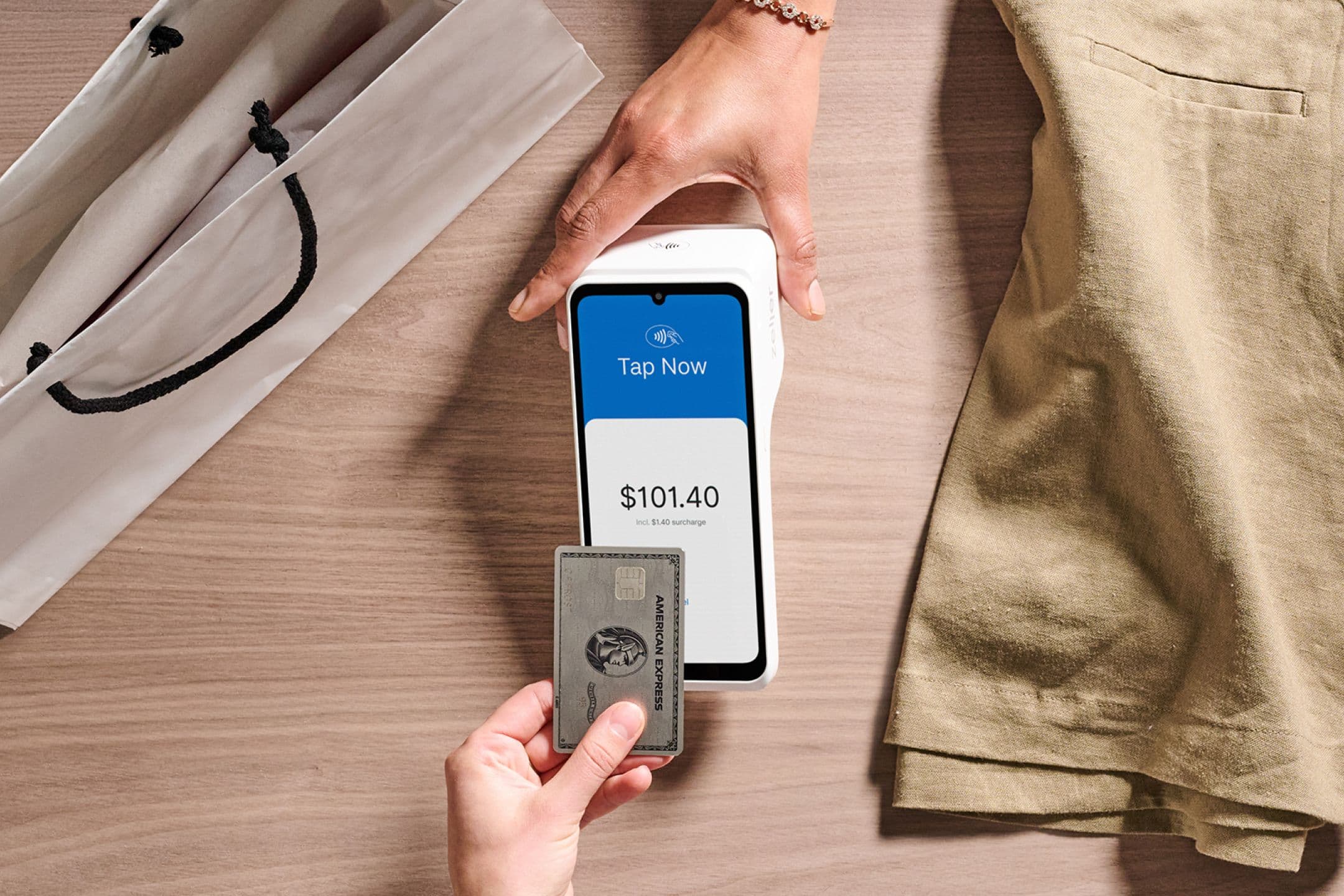
Zeller Terminal 1 just got an upgrade, and it’s faster, more durable, and packs a whole lot more under the hood. With a free POS system built in, the new Zeller Terminal 1x combines mobility, functionality, and speed for even faster checkout. Building on the reliability, ease-of-use, and affordability of Zeller Terminal 1, Zeller Terminal 1x has been purpose-built for businesses that sell in person or on the go. Featuring the largest touchscreen display of any payment terminal in the market, a built-in thermal receipt printer, and magstripe reader, its robust design travels wherever your business takes you. Available in both white and black, Zeller T1x looks as good on the counter as it does in your hand. So, what’s changed? Zeller T1x brings a number of powerful upgrades over its predecessor, starting with a larger 6.7-inch HD touchscreen — up from the 5.5-inch display on Zeller Terminal 1 — making it easier to navigate and serve customers quickly, and the largest HD terminal display available in the market. The biggest upgrade, however, is the inclusion of Zeller POS Lite, bringing a free, fully integrated point-of-sale to a device that previously handled payments alone. The hardware itself has also been reimagined, with a sturdier, more durable form factor designed to handle high-volume transactions. Zeller T1x also adds Ethernet connectivity via an adapter or dock and QR code receipts — small additions that make a real difference when it comes to flexibility and the customer experience. POS and payments — together Just like Zeller Terminal 2, Zeller T1x comes with Zeller POS Lite built in — completely free. That means you can build a product menu, create a cart, and take payment, all from the one device, with no additional software fees or third-party subscriptions required. For small and mobile businesses looking for a simple, end-to-end checkout solution, Zeller T1x delivers everything you need straight out of the box. Accept all payment types, everywhere Zeller T1x keeps you connected however you sell, supporting Wi-Fi, micro SIM ( available from the Zeller Shop here ), and Ethernet (via dock) connectivity. It accepts contactless cards, chip cards, mobile wallets, magstripe cards, and MOTO payments, and with a built-in thermal receipt printer plus digital receipt options via SMS, email, or QR code, your customers can always walk away with proof of purchase in their preferred format. Built for integrations For businesses that rely on an existing POS setup, Zeller T1x supports all integrations — either directly through the Zeller SDK or those supported by Linkly . So if you're upgrading from a previous setup, the transition is seamless. Zeller currently integrates with over 600 POS providers, all of which can be connected to Zeller T1x. To see the full list of providers Zeller integrates with, visit the partner hub here . Accessible pricing True to Zeller's commitment to making premium payments accessible to every business, Zeller T1x retails at just $199 — making it one of the most affordable all-in-one POS and payment terminals in Australia. Who is Zeller T1x designed for? Zeller T1x is ideal for any business that wants a fast, simple, and affordable tool to take payments in store or on the go — from independent retailers and tradies to market vendors, beauty therapists, and mobile service providers. If you need a reliable terminal with a built-in printer, seamless connectivity, and an intuitive POS, Zeller T1x is built for you.
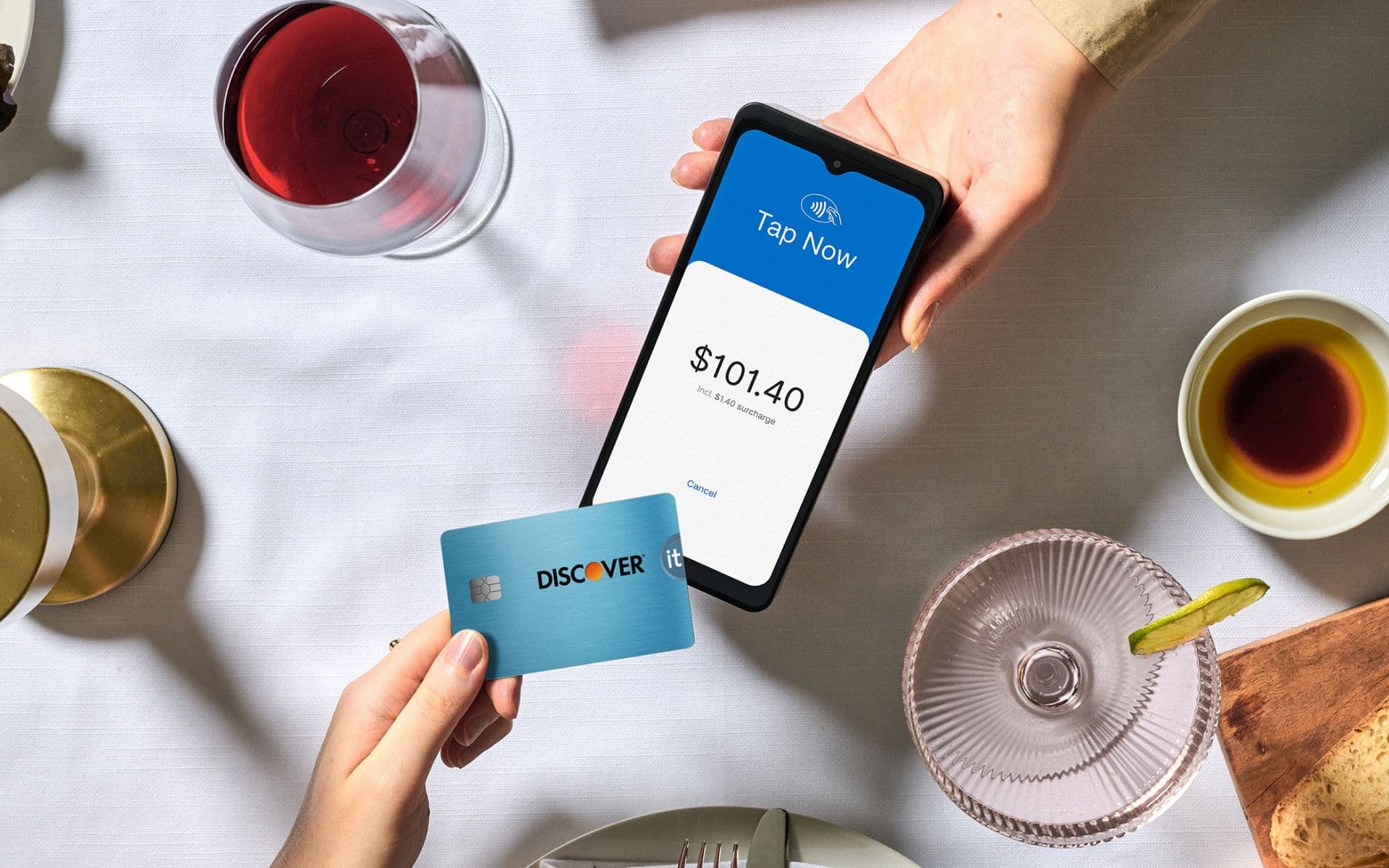
Zeller now gives international customers even more ways to pay, with the addition of Discover® Network and Diners Club International® acceptance — a global payments network boasting 378+ million cards worldwide 1 . A recent report revealed that in the year ending March 2025, international tourists took 8 million trips to Australia, spending $37.1 billion — a 15% increase year on year. For Australian businesses, that’s a significant opportunity. Whether you operate in tourism, hospitality, entertainment, or retail, accepting your cardholder’s preferred payment method can give your business a meaningful competitive edge. That’s why we’ve joined forces with Discover® Network — an international acceptance network that provides global acceptance to cardholders of participating issuers from around the world. Through this collaboration, Zeller merchants can now accept Discover Network and Diners Club ® on Zeller Terminals as well as Virtual Terminal , Payment Links , Invoices, and via Zeller's online gateway when accepting Xero Invoice payments. In this article, we break down the differences between Discover Network and Diners Club, who uses these cards, and why accepting them could help you capture more international spend. Who is Diners Club International®? Established in 1950, Diners Club ® was the world’s first multi-purpose charge card — transforming the way consumers and businesses pay for goods and services. Today, it is a globally recognised premium card brand with 40+ issuers in 35+ countries 2 . Diners Club is serving the payment needs of select and affluent consumers, offering access to more than 1,700 airport lounges and experiences worldwide 3 , and providing corporations and small business owners with an array of expense management solutions. Who is Discover® Network? Discover Network is an international acceptance network that provides global acceptance to cardholders of participating issuers from around the world. It empowers intuitive checkout experiences with fast approvals and flexible transactions to help consumers pay how, when, and where they choose. Together with its partners Diners Club and PULSE®, the global network is accepted in more than 185 countries and territories. Discover® Network processes billions of transactions annually and deliver reliable, secure, and seamless payment solutions worldwide. Accepting Discover® Network could capture more sales from global customers Discover ® Network also has more than 30 network alliances 4 with card networks and payment organisations around the world. These include BC Card (South Korea), Cabal (Argentina), Dina Card (Serbia), Elo (Brazil), Mercury (UAE), RuPay (India) and Troy (Turkey) and many more. This means that travellers and international shoppers from the Europe, Middle East, and Africa to Latin America, Asia and Canada, can all use these preferred cards wherever Discover Network and Diners Club are accepted. Choosing a payment provider that accepts Discover Network and Diners Club cards (like Zeller) could increase your business’s reach and revenue. International travellers actively seek businesses where their preferred cards are accepted. Plus, they may spend more per transaction when they can use their preferred card, as they don’t have to worry about foreign transaction fees or currency issues. More payment options could mean more potential sales. Every card you accept removes a barrier between the customer’s desire to buy and completing the sale. By adding Discover Network and Diners Club alongside Visa, Mastercard, American Express, China Union Pay and others, your business is positioned to serve a wider audience and capture more international spend. How to start accepting Discover ® Network and Diners Club International ® with Zeller. If you're already using Zeller, you don't need to do anything — Discover ® Network and Diners Club ® acceptance is automatically enabled. There are no additional fees, either; these popular cards are accepted at the same low, flat rate that you accept every other card with Zeller. 1. Total cards include open cards on Discover Network, DCI and network alliances. Based on information provided by network participants, and RBR Data Services published as of 2024. 2. DCI Issuers included in total count have active Network Participation Agreements (NPA) or Sublicense NPAs which authorize them to issue DCI products and include only those franchises with cards in force (CIF) in market. 3. Based on information provided by third-party service providers and Network Participants. 4. Based on signed Network Alliance Agreements